If you’ve been researching ways to tighten and rejuvenate your skin without surgery, you’ve probably come across two standout options: XERF and HIFU. Both are advanced, Korean–inspired treatments with strong track records for firmer, more youthful-looking skin.
At BellaVida MedSpa, XERF is one of our signature skin-tightening treatments, so we’ll walk you through how it compares to HIFU, what each one does well, and how to tell which approach fits the results you’re after.
XERF vs. HIFU: Two Powerful Treatments, Two Different Approaches
XERF and HIFU both stimulate your body’s natural collagen production, but they use different technology to get there, and they tend to shine in different situations. Neither is “better” across the board; they’re simply built for different goals.
What Is XERF & What’s It Best For?
XERF is an FDA–cleared, multifrequency radiofrequency treatment that delivers two frequencies, 6.78MHz and 2MHz, at once to gently heat multiple layers of the skin, from the superficial dermis all the way down to the SMAS layer, the same deep support layer surgeons address in a facelift, for real structural support, not just surface-level tightening.
Why clients love it:
- No needles, no numbing, and virtually no downtime, so you can go right back to your day
- A comfortable treatment experience thanks to built-in cooling technology
- Stimulates collagen and elastin from the surface down to the SMAS layer for firmer, smoother, more supported-looking skin
What to expect: XERF works progressively. Most clients start with a series of 2 to 3 sessions, spaced about 4 to 8 weeks apart, with visible improvement building over 2 to 6 months as new collagen forms. After that, a maintenance session every 6 to 18 months keeps results looking fresh. It’s a great option for anyone who wants gradual,
natural-looking tightening with zero downtime.
What Is HIFU & What’s It Best For?
HIFU stands for High-Intensity Focused Ultrasound. Instead of radiofrequency, it uses focused ultrasound energy, similar to the technology used in medical ultrasounds, to precisely target specific depths beneath the skin’s surface, including the SMAS layer, the same layer surgeons address in a facelift.
Why clients love it:
- Delivers concentrated, focused energy for a lifted, sculpted look, especially around the jawline and neck
- Many clients notice initial results after a single session
- Results continue improving for 3 to 6 months as new collagen builds
What to expect: Because HIFU delivers such concentrated energy, most clients feel a brief warming or “zapping” sensation during treatment, with mild, temporary redness afterward. There’s no real downtime, so you can resume normal activities right away. How many sessions you’ll want, and how often, really depends on your provider, the specific device they use, and your skin’s needs, so it’s worth asking your HIFU provider what treatment plan they recommend.
XERF vs. HIFU: Side-by-Side
| XERF | HIFU | |
| Technology | Multifrequency radiofrequency | Focused ultrasound |
| Depth | Superficial dermis down to the SMAS layer | Precisely targeted depths down to the SMAS layer |
| Sessions | Series of 2-3, spaced 4-8 weeks apart, then maintenance every 6-18 months | Varies by provider and device, often fewer initial sessions with periodic touch-ups |
| Downtime | None | None |
| Sensation | Gentle warmth | Brief warming/zapping |
| Best for | Gradual, comfortable tightening across multiple layers, including the SMAS | Concentrated structural lifting in fewer sessions |
Choosing Between XERF & HIFU
Both treatments are capable of reaching the SMAS layer, so the real difference comes down to how they get there and what the experience is like. XERF uses gentle, multifrequency radiofrequency across a short series of comfortable sessions, making it a great fit if you want a gradual, no-downtime approach that fits easily into an ongoing skincare routine.
HIFU uses more concentrated, focused ultrasound energy, which is why many clients notice results in fewer sessions, but it also comes with a more noticeable warming or zapping sensation during treatment. If your main concern is deep structural lifting in a specific spot, like sagging around the jawline or neck, HIFU is worth researching with a provider who offers it.
Many people find that a series of XERF treatments delivers the well–rounded, natural–looking firmness they’re after in a more comfortable, gradual way.

Who’s a Good Candidate for XERF?
XERF is a great fit if you’re starting to notice fine lines, mild sagging, or an overall loss of skin firmness and want a gentle, no–downtime way to address it. It works well on the face, neck, and jawline, and because there are no needles or numbing required, it’s especially popular with clients who want visible improvement without any recovery time built into their schedule.
It’s also a good choice if you’d rather ease into skin tightening with a series of comfortable sessions than commit to a single, more intense treatment right away.
Preparing for & Recovering From XERF
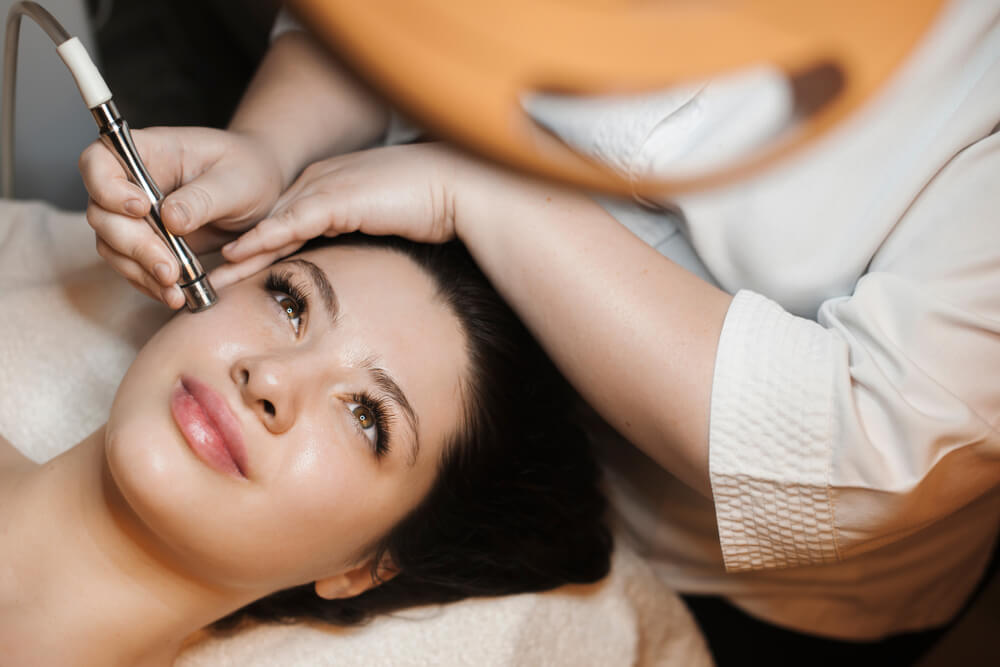
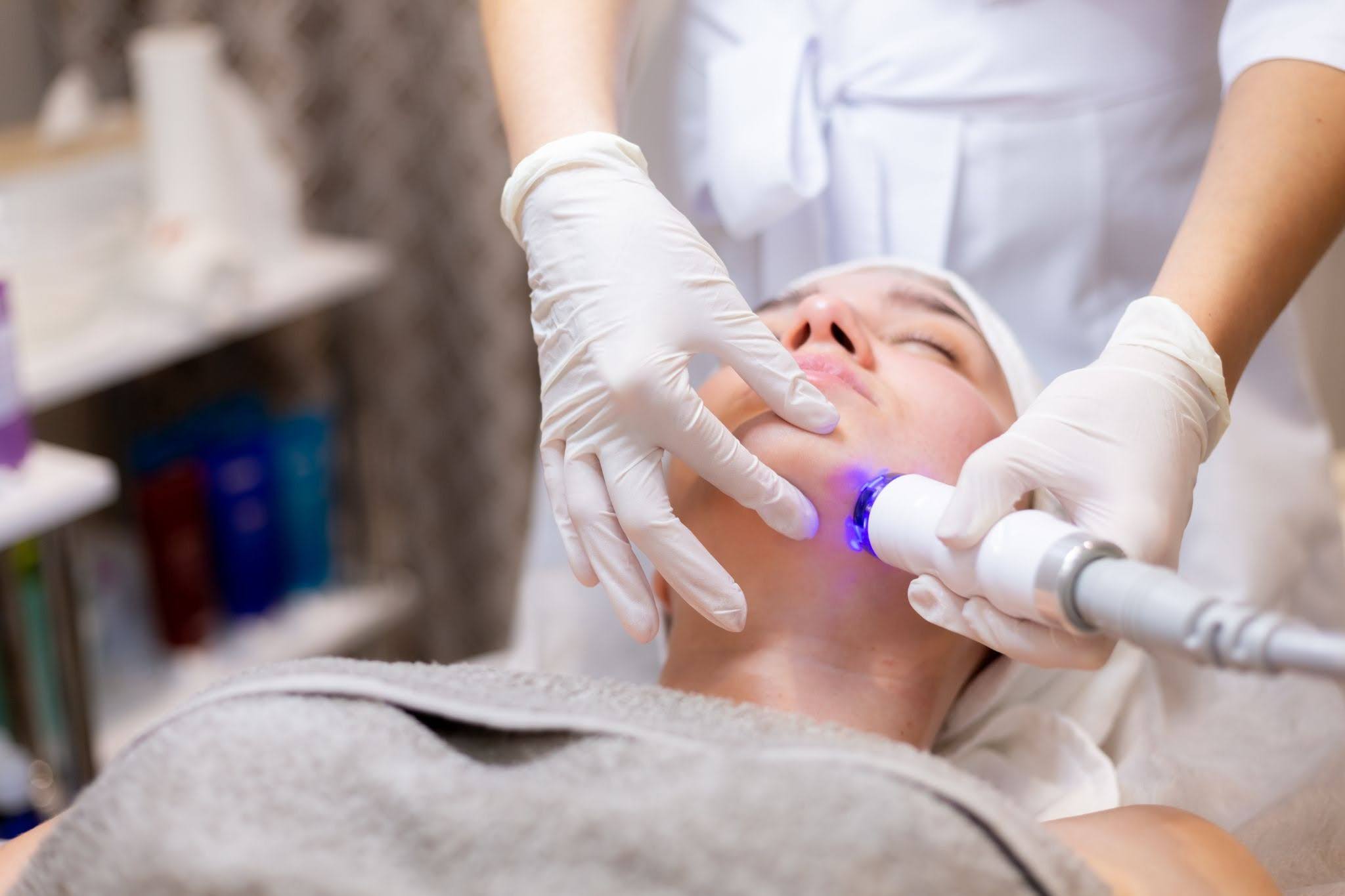
There’s very little prep required; just arrive with clean skin, free of makeup or heavy skincare products. During your session, a cooling handpiece glides over the treatment area while the device delivers targeted radiofrequency energy, and most clients describe the sensation as warm and relaxing rather than uncomfortable.
Afterward, you can go straight back to work, the gym, or your routine. Staying hydrated and wearing sunscreen daily will help support your results as new collagen builds over the following weeks.
FAQs About XERF & HIFU
Does XERF really work?
Yes. XERF is FDA-cleared and clinically shown to stimulate collagen and elastin production, improving skin firmness and texture over a series of treatments.
How many XERF treatments will I need?
Most clients start with a series of 2, sometimes 3, sessions spaced 4 to 8 weeks apart. After that, a maintenance session every 6 to 18 months is typically enough to sustain results.
Is HIFU painful?
Most clients describe HIFU as a brief warming or tingling sensation rather than pain, and any mild redness typically fades within a few hours.
Does XERF reach the same depth as HIFU?
Both treatments are capable of reaching the SMAS layer, the deep support layer targeted in a surgical facelift. XERF gets there gradually with gentle radiofrequency across a series of sessions, while HIFU uses more concentrated ultrasound energy to reach specific depths in fewer visits.
Is XERF a good alternative to HIFU?
For many people, yes. XERF offers a gentler, no-downtime path to firmer, smoother-looking skin, and a full series of sessions can deliver noticeable, lasting results, without the more intense sensation HIFU is known for.
How long do XERF results last?
Results from a full XERF series typically last several months to over a year, depending on your skin, age, and lifestyle. Most clients maintain their results with a touch-up session every 6 to 18 months.
Let BellaVida MedSpa Rejuvenate Your Skin
Curious whether XERF is the right fit for your skin goals? Our team at BellaVida MedSpa in Temecula, California, will listen to what you want to achieve and build a custom XERF treatment plan designed around your skin.
Ready for firmer, more youthful skin? Contact BellaVida MedSpa today to book your appointment.